Escher, authors and deities
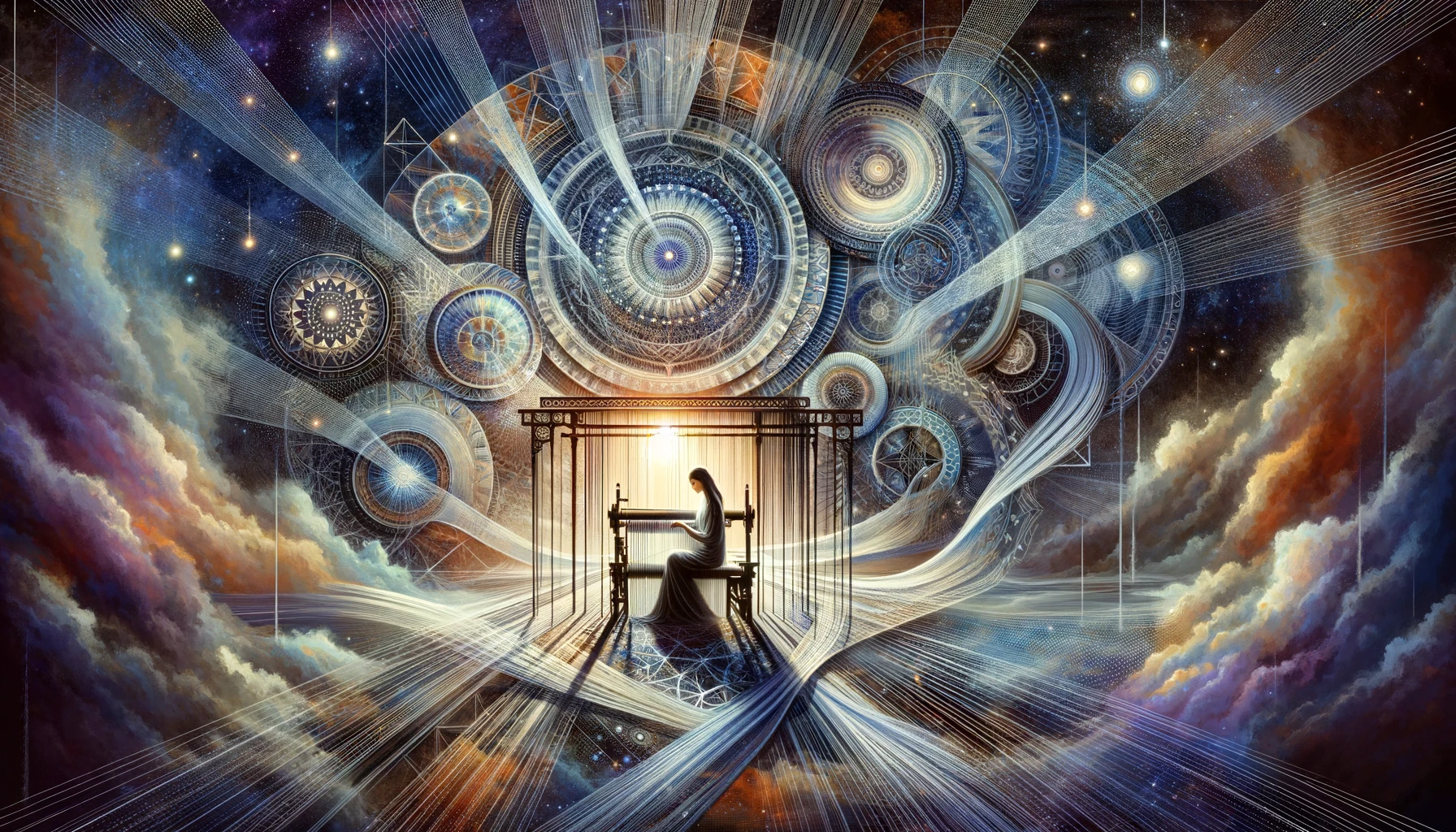
The fabric of the narratives tends to reveal with each development that the ending, paradoxically, is often nestled in the beginning. This intricate dance of beginnings and endings, reminiscent of Escher’s staircases, where each step simultaneously ascends and declines, is particularly palpable when approaching concepts as enigmatic as nihilism. In this tangle, time plays its fundamental role, not as a mere observer, but as a guiding thread in the stories we tell and live.
This is how the old adage unfolds: “Once upon a time…” In this fabric, a scenario is carefully embroidered, and within it, characters are intertwined with meticulous dexterity. These are not mere inert figures; they breathe deep emotions, are woven with vibrant thoughts and permeated by human frailties that make them susceptible to sins. Among these sins, greed appears with particularly dark contours, weaving a plot where oppression, death, hunger, poverty and suffering are inevitably intertwined.
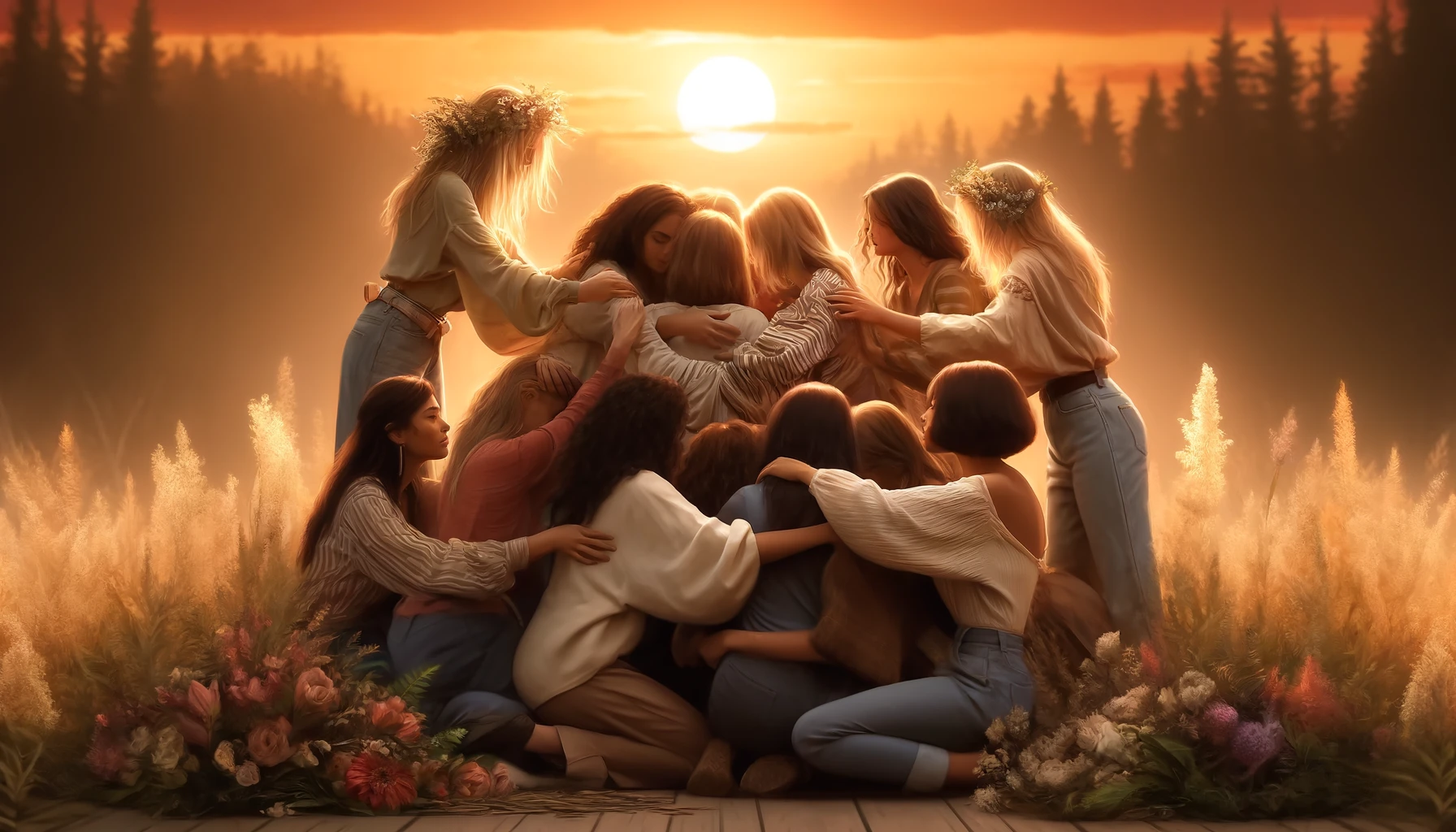
However, even in the darkest textures of these fabrics, there is a crack through which the light persists. This light, often sutured by female hands that understand weaving as an act of resistance, carries with it the subversive truth that nothing starts from nothing, nor will it end in a vacuum. Hope, that golden and tenacious thread, insists on shining even when circumstances seem inexorably bleak.
We, authors and creators, share this transcendent power to shape universes with the deities. When conceiving our works, we weave realities in our image and likeness, with all the nuances of our own humanity. Through each story, we transmute lived and observed experiences into narratives that reverberate far beyond the pages, in an echo that seeks not only to tell, but also to transform.
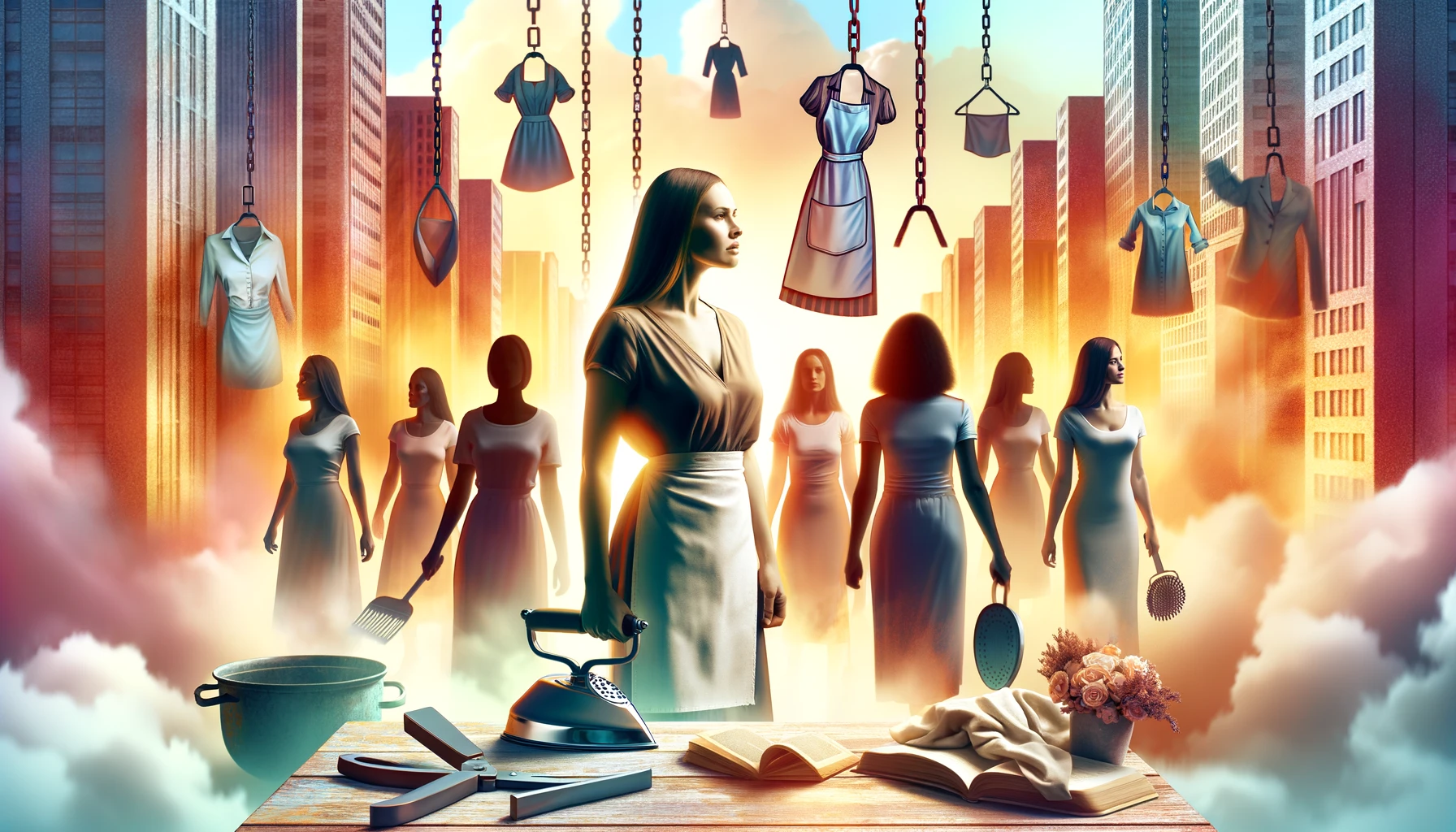
Woven into each plot, women often shape the subtlest and most powerful nuances of these stories, infusing them with a sensitivity that transcends the textual to touch the visceral. Our vision, often forged in the furnaces of silent struggles and daily resistance, feeds this ability to see beyond the obvious, to weave hope even in the most challenging contexts.
Thus, as we shape our worlds, both imaginary and concrete, we not only tell stories: we create possibilities, challenge prejudices, question established orders and, above all, assert our place as an integral and indelible part of the universal fabric. Because, after all, each story is an invitation to see the world through other eyes – especially those who, historically, have been taught to look from the shadows.