The grief of being replaced by myself
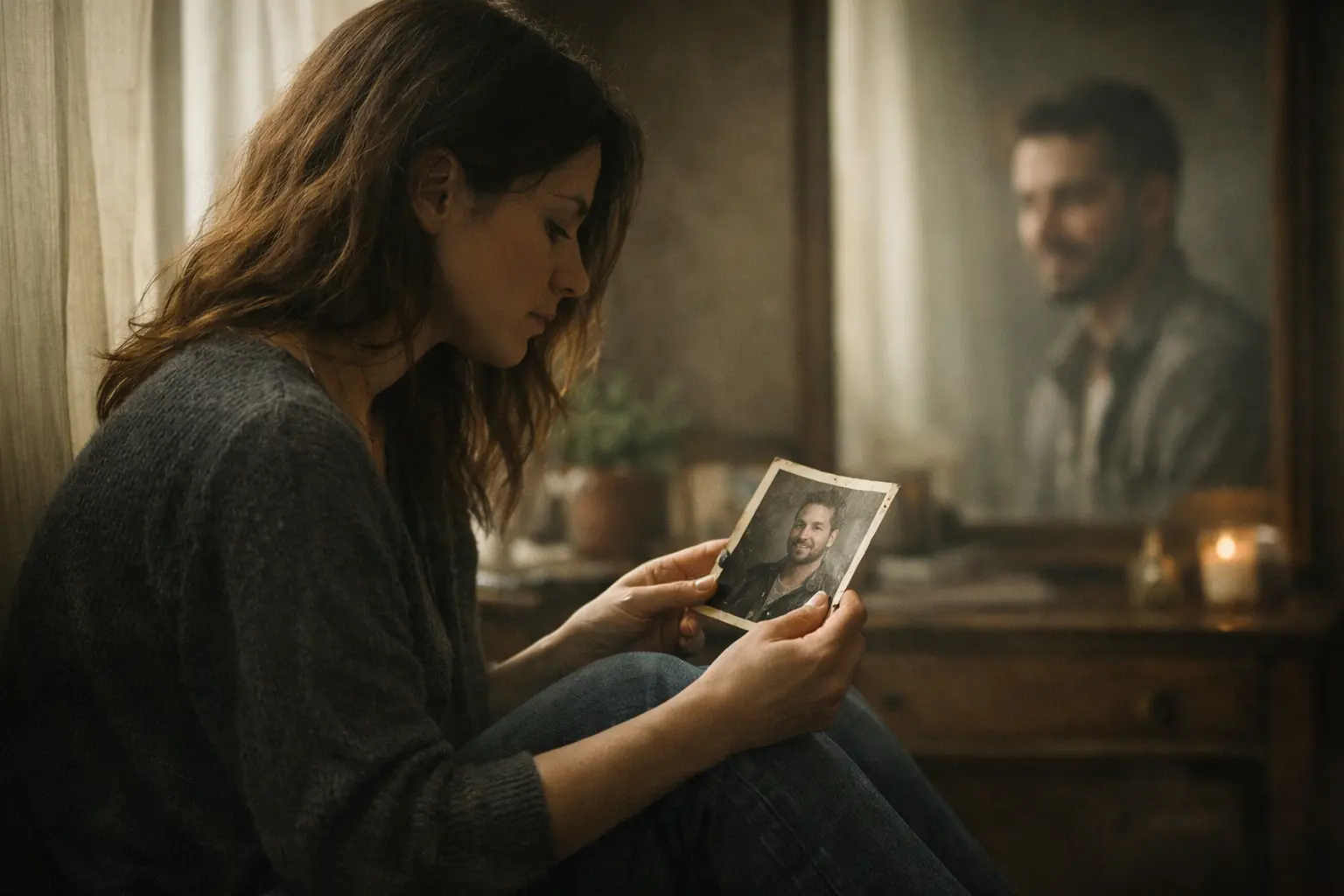
Sometimes I catch myself staring at an old photograph, trying to pinpoint where exactly I stopped being seen. I don’t say this with romance or nostalgia; I say it with the coldness of someone who looks at her own skin like a swapped picture frame. She didn’t love the painting, only the frame. Only the reflection on the wall, the masculine silhouette walking beside her that made sense in other people’s mirrors. I was an ornament of normalcy. An acceptable body. And that was enough for her to call it love.
The problem is that I believed it. I believed what we had was bigger than my face, bigger than my voice before it changed, bigger than the discomfort trapped between my legs and the silences swallowed over the years. I thought she could truly see me, that she saw the woman cornered in the edges of my gaze, begging to come out. But no. She loved the prison, not the one trying to escape.
And what eats away at me isn’t just the abandonment. It’s what came after. The photos with men who look like me before I was me. Same beard, same haircut, sometimes even the same shirt she used to say she loved when it was still mine. As if she had gone hunting for ghosts, trying to rebuild the puppet I burned in the fire of truth. She didn’t mourn me; she mourned the loss of the disguise. And went looking for another.
It hurts. It hurts to see that her love had an address but no name. That she loved the way I held her waist, but not my hands. That she loved my courage to protect, but not my vulnerability to undress. That she loved the way I smelled after a shower, but not the skin that always felt wrong to me. She lay beside me so many times, but she never truly lay beside me. It was the man she wanted to sleep with. And when that man ceased to exist, she was gone too.
There are days when I almost apologize for becoming who I am. But only almost. Because deep down I know: I didn’t change, I appeared. The shell she wanted still exists in photos, in Instagram’s filtered memories, in other people’s bodies. But the soul that inhabited it was mine. It always was. And now, free, she’s still here. Only alone.
It isn’t easy to live with this kind of grief. Because nobody dies. They just disappear from the other person’s space. You lose someone who still breathes, still posts stories, still crosses your path on the street like a cracked mirror. She smiles at me with guilt, and I respond with a lump in my throat. I want to scream, to ask if she recognizes the way I hold my purse, if she still remembers my bad jokes or the way I used to talk when I was afraid. But all of that died along with my old name, as if love had an expiration date printed on an ID card.
I don’t want to idealize. I know it wasn’t easy for her. No woman wakes up and discovers that the person she shared a bed with is transitioning and comes out unscathed. I understand the shock, the rupture, the fear of the unknown. But what kills me is that she didn’t try. She ran before she even listened. She shut the door in a hurry, like someone fleeing a fire; not knowing that I was burning on the other side too.
Today, she posts smiles beside other familiar faces. And I carry on, trying to stitch my existence together with thin thread and trembling hands. Each step is a strand of hair growing longer, a curve in my hip, a tear swallowed in the building’s elevator. I rebuild myself in silence, like someone learning to inhabit a body for the second time – this time for real.
But sometimes, just sometimes, I wonder if she misses me. Not the man. Me. What I used to whisper before falling asleep. The way I held her hand on the street even when she let go. My scent mingled with coffee on Sunday mornings. Does she realize that no one else will ever look at her the way I did, because no one else will ever know where she came from the way I do?
Or is she, deep down, happy? Happy to have found someone who makes her forget that I was real. That I existed. That I loved her with everything I had – even when everything inside me was screaming for help.
What I have left is the mirror. And the certainty that in it, now, I see myself. Even if that cost me losing someone who never saw me.
And that, perhaps, is the highest price of all: loving someone who only loved you while you lied about who you were.
But I don’t lie anymore.
And that, however much it hurts, is the most beautiful thing I have left.





Comments